
Best Time to Learn Skiing in India – January or February?
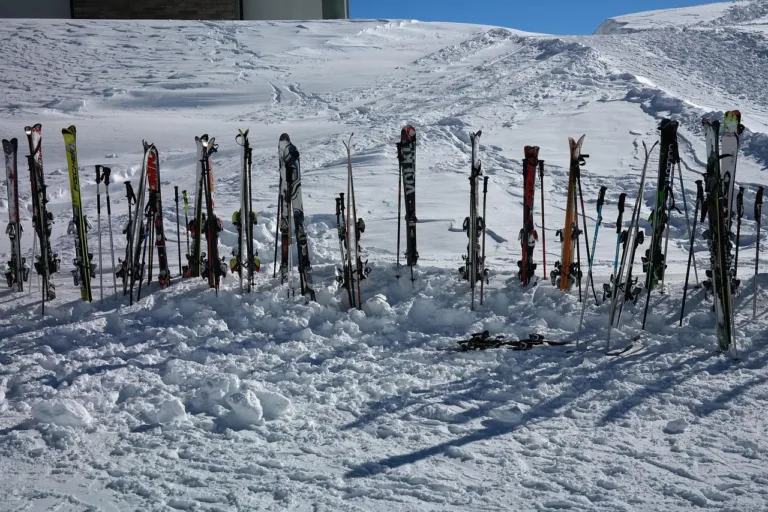
Table of Contents
Learning skiing in India is a dream for many mountain lovers. Every winter, people ask one common question. January or February – which is better for skiing? In this article, I will explain this in simple words. I will cover snow conditions, weather, crowd, cost, training quality, and safety. I will also talk about recent snowfall patterns. This will help you plan your first skiing lesson in India properly.
Skiing in India – A Quick Overview
Skiing in India mostly happens in the Himalayan region. The main skiing destinations are:
Auli, Uttarakhand
Gulmarg, Jammu & Kashmir
Solang Valley, Himachal Pradesh
Kufri and Narkanda, Himachal Pradesh
Pahalgam (limited skiing)
Among these, Auli and Gulmarg are best for proper learning. They have trained instructors, long slopes, and better snow quality.
Snowfall Reality in Recent Years
Before comparing January and February, one important truth must be clear.
👉 In the last few years, December snowfall has become very unpredictable.
Even in popular skiing places, many Decembers pass without proper snowfall.
In several seasons:
Slopes remained dry till late December
Artificial snow had to be used in some areas
Beginner courses got delayed
So, December is no longer reliable for learning skiing in India. This is a big change compared to earlier years.
Why Snow Quality Matters for Beginners
For learning skiing, you need:
Soft and thick snow
Even snow cover
Stable surface
Hard ice or patchy snow makes learning difficult. It also increases the risk of falls and injury. That is why choosing the right month is very important.
Learning Skiing in January – Pros and Cons
January is usually the start of proper skiing season in India.
Advantages of January
First of all, fresh snowfall usually happens in January. This creates a good base on slopes.
Other benefits include:
New snow is soft and forgiving
Slopes open fully by mid-January
Training schools start full courses
Weather feels fresh and cold
For beginners, soft snow helps in:
Easy turns
Better balance
Less fear of falling
Challenges in January
However, January has some issues too.
Extreme cold in early January
Heavy snowfall can stop training for 1–2 days
Visibility issues during snowstorms
Still, these problems are temporary.
Learning Skiing in February – Pros and Cons
February is considered the peak skiing month in India.
Advantages of February
By February:
Snow base becomes thick and stable
Weather becomes slightly warmer
Skiing conditions remain consistent
Training runs smoothly
Other strong points:
Less snowfall disturbance
Longer practice hours
Better confidence for beginners
Many instructors prefer February for serious learning.
Challenges in February
At the same time, February has some downsides.
Crowd increases, especially after mid-February
Prices of hotels and courses go up
Snow can become slightly hard in late February afternoons
Yet, overall conditions remain very good.
January vs February – Snow Comparison
Let’s compare both months clearly.
January Snow
Fresh and soft
Good for beginners
More snowfall chances
Slightly unstable weather
February Snow
Well-settled and thick
Excellent for practice
Less snowfall interruption
More reliable slopes
Both months offer good snow. The difference lies in stability.
Weather Conditions in Both Months
Weather plays a big role in learning skiing.
January Weather
Very cold
Temperature often below zero
Snowfall frequent
Shorter daylight hours
February Weather
Cold but manageable
Clear skies most days
Longer daylight
Better visibility
For first-time learners, February feels more comfortable.
Crowd and Rush Factor
Crowd affects learning quality.
January Crowd
Less tourists
More space on slopes
Better instructor attention
February Crowd
High demand
Slopes can get busy
Advance booking needed
If you prefer peace, early January is better. If you don’t mind crowd, February works well.
Cost Difference Between January and February
Budget is also an important point.
January packages are slightly cheaper
February sees peak pricing
Equipment rental cost remains same
Hotel prices rise in February
So, budget travellers may prefer January.
Best Time for Absolute Beginners
If you are learning skiing for the first time, then:
Late January to mid-February is ideal
Snow is safe and supportive
Training rhythm stays smooth
Avoid early December and early March.
Best Time for Certificate Courses
For longer courses like:
7-day basic course
14-day advanced course
February is better, because:
Less training disruption
Stable snow for many days
Better performance assessment
Safety Point of View
Safety depends on snow and weather.
January snowfall can cause slope closure sometimes
February snow remains firm and predictable
Medical and rescue services work smoothly in February
Hence, from a safety angle, February has a slight edge.
Final Verdict – January or February?
Both months are good. Still, the answer depends on your goal.
Choose January if:
You want fresh snow
You want less crowd
You have a tight budget
You don’t mind cold weather
Choose February if:
You want stable snow
You want smooth training
You want better weather
You are serious about learning
👉 Overall, February is the best month to learn skiing in India, especially for beginners.
One Important Reminder
Do not plan skiing in December blindly.
In recent years, even December passes without snowfall in major skiing destinations. Always check live snow updates before booking.
Conclusion
Skiing in India depends fully on natural snow. January and February remain the most reliable months. While January brings fresh snow and calm slopes, February offers stability and comfort. If you want the best learning experience, February is the safest and smartest choice.
Plan well, choose the right month, and enjoy the magic of Himalayan snow.
– Mohit Bangari
Related Post





Explore the beauty and cultures of the Himalayas, from Jammu and Kashmir to Arunachal Pradesh, Tibet and Nepal. My blog shares stories, pictures, and fun articles about this amazing region. Come along on a journey where each mountain has a tale and every valley hides a treasure. Join me as I discover the magic of the mountains together.
Welcome to my Himalayan Adventure!