
Jauljibi Mela Uttarakhand – Everything You Need to Know
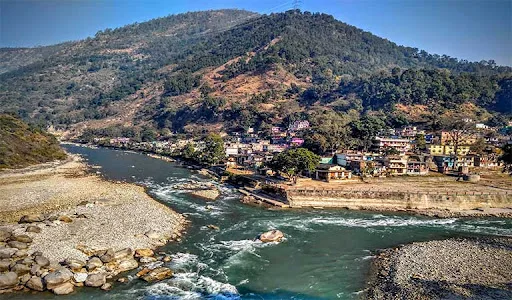
Table of Contents
Jauljibi Mela is one of the most famous border fairs in the Himalayan region. It takes place at Jauljibi, a small town on the India–Nepal border in Pithoragarh district of Uttarakhand. The mela sits at the beautiful meeting point of the Kali River and Gori River. This confluence gives the fair a very special charm.
Every year, thousands of people from India and Nepal come here to enjoy the mela. Traders bring local items, handmade goods, herbs, spices, and many traditional things from both sides of the border. Many visitors enjoy the unique mix of culture, food, music, and cross-border friendship.
The fair has a long history. Because of its location, Jauljibi Mela became an important centre of trade for Himalayan villagers, Nepali traders, and earlier even Tibetan traders. Today also, it remains a symbol of cultural bonding and old Himalayan traditions.
For travellers who love mountain culture, this fair shows the real flavour of Kumaon Himalaya, local life, old trading routes, and friendly India–Nepal connection. It is one of the best places to see how mountain communities celebrate their shared heritage.
Where is Jauljibi?
Jauljibi is a small Himalayan town on the India–Nepal border in the Pithoragarh district of Uttarakhand. The place stands at the beautiful sangam of the Kali River and Gori River. Because of this border location, Jauljibi became a natural meeting point for traders and travellers from both countries.
The coordinates of Jauljibi are 29.621° N, 80.239° E.
This area sits in the lower Himalayan zone, surrounded by dense forest, small villages, and rolling hills. The suspension bridge over the Kali River connects the Indian and Nepali sides, making the place an active trade spot even today. Due to this, the Jauljibi Mela feels like a mix of two cultures at one place.
Distance from Major Cities
Here are the approximate distances to help travellers plan their visit:
Dharchula to Jauljibi – around 28 km
Pithoragarh to Jauljibi – around 68 km
Munsyari to Jauljibi – around 92 km
Champawat to Jauljibi – around 160 km
Tanakpur to Jauljibi – around 180 km
Haldwani to Jauljibi – around 260 km
Kathgodam to Jauljibi – around 250 km
Nainital to Jauljibi – around 280 km
Delhi to Jauljibi – around 500 to 520 km
These distances may vary a little depending on the route, but they give a clear idea of accessibility. The roads are quite scenic, and travellers enjoy views of mountains, river valleys, and local villages along the journey.
History of Jauljibi Mela
The Jauljibi Mela has a long and rich history. This fair started in 1914, during the rule of the Pal dynasty of Askot. The then-ruler, Gajendra Bahadur Pal, began this mela to bring traders from nearby Himalayan regions together. In the early days, the fair was a small religious gathering held at the meeting point of the Kali River and Gori River. Slowly it grew into a major trade centre.
In the old times, this region was an important link between India, Nepal, and Tibet. Traders walked through high Himalayan routes carrying wool, herbs, clothes, spices, and daily-use goods. Because of this, Jauljibi became a natural stop for rest, exchange, and business. The fair played a key role in connecting mountain villages with the outer world.
With time, Jauljibi Mela turned into a big social event. People from the Kumaon region, the Shauka community, Nepali traders, and even Tibetan traders joined the fair. The mela became a place where business, culture, and friendship came together.
However, after 1962, when the Indo-China trade route closed, the Tibetan traders stopped coming. This reduced the scale of the mela for a few years. Still, the tradition never ended. The Uttarakhand administration restarted and supported the fair, and now it runs every year with great enthusiasm.
Today, the mela is more than 100 years old. It continues to celebrate Himalayan identity, cross-border ties, and the lively spirit of mountain people.
Importance of Kali and Gori Rivers in This Mela
The beauty and importance of Jauljibi Mela come mainly from the meeting point of the Kali River and Gori River. These two rivers shape the identity of this place and make the mela feel special for both locals and visitors.
The Kali River, also known as the Sharda River, forms the natural border between India and Nepal in this region. Because of this, people from both sides easily come to Jauljibi for trading and cultural exchange. The river has been an important route for travellers and traders since ancient times.
The Gori River, flowing from the Milam Glacier near Munsyari, brings fresh Himalayan water and also carries stories of old trade routes used by Shauka traders. When these two rivers meet at Jauljibi, they create a natural open space. This confluence became the ideal place for a large gathering, and that is how the mela slowly became a tradition.
These rivers also played a big role in old trade. Traders walked along the river valleys carrying wool, herbal medicines, spices, and handwoven clothes. The easy access and flat riverbed area helped in setting up temporary markets during the mela season.
Even today, the sound of flowing rivers gives the mela a peaceful feeling. Many visitors enjoy sitting near the sangam, eating local food, watching cultural dance programmes, and experiencing the true Himalayan charm. The rivers make this border fair not just a market, but a beautiful cultural celebration.
India–Nepal Connection and Cross-Border Culture
The India–Nepal connection is the heart of Jauljibi Mela. This mela is one of the few fairs in the Himalaya where people from both countries gather so freely. Because the Kali River acts as a natural border, villagers from Nepal cross the suspension bridge and join the fair without any difficulty. This easy connection makes the place feel like one shared community.
For many decades, Jauljibi was an active trading point between Kumaon region and western Nepal. Nepali traders brought herbs, spices, handmade items, woollen clothes, and food products. Indian traders brought grains, salt, utensils, clothes, and other daily-use goods. Even today, this exchange continues in a modern way.
The fair also celebrates cross-border culture. Visitors enjoy Nepali folk music, dance, and traditional dress, along with Kumaoni culture. Many families on both sides of the river have old friendships and business ties. During the mela, these relations grow stronger. This mix of food stalls, colourful shops, and cultural programs creates a warm atmosphere.
People also enjoy trying Nepali snacks, local Himalayan dishes, and sweets prepared during the festival days. Many tourists find this cultural blend very interesting, as it gives a complete picture of Himalayan life on both sides of the border.
Because of this cross-border participation, the Jauljibi Mela has become a living symbol of harmony, friendship, and shared mountain traditions.
What Happens in Jauljibi Mela Today
Today, the Jauljibi Mela runs as a lively mix of trade, culture, food, and entertainment. The fair normally continues for many days, and people from surrounding villages, towns, and Nepal come here to enjoy the festive atmosphere.
The entire riverbank turns into a busy marketplace. You will see colourful stalls selling woollen clothes, jackets, shawls, handwoven caps, bamboo items, wooden crafts, home décor pieces, and many local products from the Himalayan region. Nepali traders also bring herbs, spices, pickles, and handmade goods, which attract a lot of visitors.
Along with trade, the mela has strong cultural activities. Local artists present Kumaoni folk dance, Nepali cultural shows, and traditional music on the main stage. Many travellers enjoy watching these performances while eating local snacks. This gives the mela a warm, community feeling.
Food stalls are another major attraction. Visitors try momos, pakoras, jalebi, Nepali-style samay baji, local sweets, and different snacks prepared fresh at the stalls. Families spend hours walking around, shopping, enjoying music, and trying new food.
Small swings, amusement rides, and fun games are also set up for children. The mela becomes a full family outing for nearby villages. It is one of those places where trade and entertainment run together.
Today’s Jauljibi Mela keeps the old tradition alive while also giving space to new shops, modern products, and young artists. It remains an important event for local business, cultural exchange, and tourism in the Kumaon Himalaya.
What Happens in Jauljibi Mela Today
Today, the Jauljibi Mela runs as a lively mix of trade, culture, food, and entertainment. The fair normally continues for many days, and people from surrounding villages, towns, and Nepal come here to enjoy the festive atmosphere.
The entire riverbank turns into a busy marketplace. You will see colourful stalls selling woollen clothes, jackets, shawls, handwoven caps, bamboo items, wooden crafts, home décor pieces, and many local products from the Himalayan region. Nepali traders also bring herbs, spices, pickles, and handmade goods, which attract a lot of visitors.
Along with trade, the mela has strong cultural activities. Local artists present Kumaoni folk dance, Nepali cultural shows, and traditional music on the main stage. Many travellers enjoy watching these performances while eating local snacks. This gives the mela a warm, community feeling.
Food stalls are another major attraction. Visitors try momos, pakoras, jalebi, Nepali-style samay baji, local sweets, and different snacks prepared fresh at the stalls. Families spend hours walking around, shopping, enjoying music, and trying new food.
Small swings, amusement rides, and fun games are also set up for children. The mela becomes a full family outing for nearby villages. It is one of those places where trade and entertainment run together.
Today’s Jauljibi Mela keeps the old tradition alive while also giving space to new shops, modern products, and young artists. It remains an important event for local business, cultural exchange, and tourism in the Kumaon Himalaya.
What Was Traded in Earlier Times
In the earlier years, the Jauljibi Mela was mainly a trading fair. Traders from the Kumaon region, Nepal, and Tibet travelled long distances to reach this place. Because the mela was held at the meeting point of two rivers, it became a natural trading hub for mountain communities.
In old times, the Shauka traders from Munsyari and Johar Valley brought pashmina wool, handwoven carpets, Himalayan herbs, and medicinal plants collected from high-altitude areas. Tibetan traders also came with items like raw wool, shilajit, musk, dried meat, and rare herbs. These goods were very valuable in the Himalayan market.
From the Nepal side, traders brought ghee, honey, handmade baskets, bamboo products, spices, and traditional Nepali food items. They also sold handmade jewellery and metal craft, which were quite popular among visitors.
Indian traders and villagers brought grains, salt, jaggery, utensils, cotton clothes, spices, and daily-use items from the plains. Many people used the mela to exchange their mountain goods for things they needed in daily life.
Another big attraction in the past was the trade of Himalayan horses. These horses were known for their strength and stamina. Many buyers from different regions came to purchase them during the mela season.
Because of this wide range of goods, the mela became a key meeting point for India, Nepal, and earlier Tibet. It played a big role in connecting remote Himalayan villages to the outer world. Even today, the stories of old trade routes and barter exchange remain an important part of the mela’s identity.
Why the Mela Declined After 1962
The Jauljibi Mela faced a major decline after the year 1962. This was the period of the Indo-China war, and the border routes towards Tibet were closed for security reasons. Earlier, Tibetan traders were an important part of this mela. They brought wool, herbs, carpets, and many rare mountain products. Because of their long-distance trade, the mela used to stay very large and active.
Once the borders closed, these Tibetan traders stopped coming. This reduced a big part of the traditional business. The old trade routes through Milam, Lipulekh, and Johar Valley also became less active. This affected many Shauka families who depended on cross-border trade for their livelihood.
Another reason for the decline was the change in lifestyle and modern transport. When roads improved and big markets opened in towns, many villagers no longer waited for the mela to buy goods. Earlier, this fair was one of the very few marketplaces in the region. But with modern shops and transportation, people started buying from nearby towns.
Also, political and security restrictions on the India–Nepal border increased for some time. Due to this, the free movement of traders reduced, and the mela lost some of its old charm.
Still, the tradition did not stop. Local communities and the state administration took steps to bring the mela back. Slowly, cultural programs, local products, and modern stalls started attracting people again.
Today, the mela may not be as big as its ancient trading days, but it remains an important cultural festival of the Kumaon Himalaya.
Revival of Jauljibi Mela in Modern Times
After the decline in the 1960s, the Jauljibi Mela slowly started getting support from local communities and the Uttarakhand administration. The aim was to protect its heritage and bring back the traditional identity of this border fair. With time, these efforts showed positive results.
The government began organising the mela more formally. They added cultural programs, stage performances, security arrangements, and better facilities for traders. This helped in attracting more visitors from nearby towns like Dharchula, Munsyari, Didihat, and Pithoragarh.
Local artists and cultural groups also played a big role in reviving the mela. Their folk music, dances, and community performances brought new life to the event. These cultural shows became a major attraction for travellers and helped in promoting the mela across the region.
Nepali traders again started coming in good numbers. Their participation gave the fair its old cross-border flavour. People enjoyed buying Nepali herbs, bamboo items, spices, and snacks. This friendly India–Nepal connection added warmth to the event.
Modern shops also joined the mela. You can now find clothes, toys, mobile accessories, woollen jackets, and home décor items at affordable prices. The fair now feels like a mix of old tradition and new-age market culture.
In recent years, the mela has again grown in size. Social media and travel blogs also helped in bringing attention to this hidden Himalayan fair. Many travellers come here to enjoy the atmosphere, shop, and experience the cultural fusion of two countries.
Today, the Jauljibi Mela stands strong as a living symbol of Himalayan identity and cross-border friendship.
Dates of Jauljibi Mela (Recent Years)
The Jauljibi Mela is usually organised every year in the winter season. The fair mostly begins in mid-November and continues for several days. The exact dates may change slightly each year, depending on local planning and administrative schedules.
Here are known recent dates for the Jauljibi Mela — good for planning a visit or writing about it:
In 2025, the mela started on 14 November.
The 2025 fair was scheduled to continue roughly until 24 November (or thereabouts).
In past years, the mela often began around mid-November. For example, older sources mention dates like 14–21 November.
Sometimes the mela extends for 10 to 13 days depending on local administration and traders.
Because the mela depends on weather, local decisions and border conditions — dates may shift slightly. It’s always good to check local news or official Uttarakhand tourism updates before planning the visit.
How to Reach Jauljibi
Reaching Jauljibi is quite simple, and the journey feels very scenic. The roads pass through beautiful valleys, small villages, and river bridges. Travellers arrive here mainly by road, as this is the most comfortable and direct option.
By Road
Jauljibi is well connected with major towns of Kumaon. Regular buses, shared jeeps, and taxis run from Pithoragarh, Dharchula, and Munsyari side. The roads are narrow at some points, but the drive is very enjoyable. Most travellers prefer reaching Pithoragarh first and then taking a jeep or bus to Jauljibi.
By Rail
The nearest railway stations are Tanakpur and Kathgodam. From these stations, travellers take a bus or taxi to Pithoragarh and then continue to Jauljibi.
Kathgodam Railway Station → Jauljibi: approx 250 km
Tanakpur Railway Station → Jauljibi: approx 180 km
By Air
The nearest airport is Pantnagar Airport. From here, you can travel by taxi or bus to Haldwani–Pithoragarh–Jauljibi.
Pantnagar Airport → Jauljibi: approx 265 km
Distances from Main Towns and Cities
Here are all the important travel distances to help you plan your visit:
Dharchula → Jauljibi: approx 28 km
Pithoragarh → Jauljibi: approx 68 km
Didihat → Jauljibi: approx 55 km
Munsyari → Jauljibi: approx 92 km
Champawat → Jauljibi: approx 160 km
Berinag → Jauljibi: approx 85 km
Thal → Jauljibi: approx 41 km
Tanakpur → Jauljibi: approx 180 km
Haldwani → Jauljibi: approx 260 km
Kathgodam → Jauljibi: approx 250 km
Nainital → Jauljibi: approx 280 km
Almora → Jauljibi: approx 150 km
Delhi → Jauljibi: approx 500–520 km
Most travellers reach Jauljibi by road from Pithoragarh or Dharchula, as the road connectivity is good and the travel time is short.
Tips for Visiting Jauljibi Mela
A trip to the Jauljibi Mela becomes more smooth and enjoyable when you plan a little in advance. Here are some helpful tips for first-time visitors as well as regular travellers.
Check the Dates Before Travelling
The mela usually starts in mid-November, but the exact dates may change every year. It is good to check local news or tourism updates before starting your journey.
Start Early in the Day
Roads in the Himalayan region become quieter in the evening. Starting early helps you avoid traffic, fog, and late-night driving.
Carry Warm Clothes
November is quite cold in the Kumaon Himalaya. Even daytime feels chilly near the rivers. Carry woollens like jackets, caps, and gloves, especially if you plan to stay till evening.
Keep Cash Handy
Most small stalls, Nepali traders, and local shops accept cash only. ATMs are available in nearby towns, but not always reliable during rush days. It’s good to carry enough cash.
Book Stay in Advance
If you plan to stay in Dharchula, Pithoragarh, or nearby villages, book your hotel or homestay early. Mela days bring many visitors, and rooms fill up fast.
Be Ready for Crowds
The mela becomes crowded, especially during cultural programs and weekends. Always keep your belongings safe and stay alert.
Try Local Food
Don’t miss the fresh snacks, Nepali dishes, and local sweets. These stalls serve simple and tasty mountain-style food at good prices.
Respect Cross-Border Culture
People from both India and Nepal come here. Maintain friendly behaviour, support local sellers, and enjoy the cultural mix.
Walk Around the Fair
Many beautiful stalls and artisans sit inside narrow lanes of the mela. Walking around helps you discover unique handmade items at good rates.
Keep the River Area Clean
The sangam of Kali and Gori rivers is the pride of Jauljibi. Try to keep the place clean and avoid throwing any litter.
These small tips help you enjoy the mela comfortably and also support the local community.
Nearby Places to Visit
When you come for the Jauljibi Mela, you can also explore many beautiful places around this region. These nearby spots give you a chance to see the real charm of the Kumaon Himalaya, peaceful villages, and river valleys.
Dharchula
Dharchula is just 28 km from Jauljibi. It is a calm Himalayan town located on the banks of the Kali River. Many travellers visit the local markets, enjoy Nepali food, and explore the border area. It is also the gateway for the famous Kailash–Mansarovar route.
Askot Wildlife Sanctuary
Askot is known for its rich wildlife and mountain views. The sanctuary is home to Himalayan black bear, musk deer, barking deer, and many birds. It is around 35 km from Jauljibi. Nature lovers enjoy the peaceful forest trails here.
Pithoragarh
Pithoragarh district headquarters is around 68 km from Jauljibi. The town offers scenic views, ancient forts, local markets, and temples. It is a good place for staying, shopping, and exploring the cultural side of Kumaon.
Munsyari
Munsyari is around 92 km from Jauljibi. It is a famous hill town known for views of Panchachuli Peaks, trekking routes, and the cold high-altitude climate. If you want to extend your journey, Munsyari is a great option.
Thal
Thal is around 41 km away. It is a quiet valley town where the Ramganga River flows peacefully. It is a good stop for food, rest, and photography.
Didihat
Didihat is around 55 km from Jauljibi. The place offers amazing sunrise views, old temples, and calm mountain surroundings. Travellers often visit here for a short break.
Om Parvat Viewpoints (via Dharchula)
If weather permits and the route is open, travellers can visit the lower viewpoints where you can see the sacred Om Parvat. These places are accessible after taking permits from Dharchula.
These nearby destinations make your trip more fulfilling. You can enjoy nature, local culture, mountain food, and peaceful landscapes along with the mela.
Why Jauljibi Mela is Special for Himalayan Culture
The Jauljibi Mela is not just a market. It is a living celebration of Himalayan identity, lifestyle, and cross-border friendship. This mela shows how people in the mountains have lived, traded, and shared culture for more than a hundred years.
One big reason the mela is special is its India–Nepal bond. People from both sides of the Kali River join the fair, shop together, eat together, and enjoy cultural programs. This friendly mix of two cultures makes the mela different from any other fair in Uttarakhand.
The mela also keeps old Himalayan trading traditions alive. Earlier, traders walked for days from Munsyari, Johar Valley, and Nepal to reach Jauljibi. They exchanged wool, herbs, spices, and handmade products. Today, the scale may have changed, but the spirit of local trade still continues. Visitors can still see handmade items, mountain herbs, and Nepali products in the stalls.
Local artists make the mela colourful by performing Kumaoni folk dance, traditional songs, and Nepali cultural shows. These performances highlight the strong cultural roots of the Himalayan communities. For travellers, this becomes a chance to experience pure regional art and music in one place.
The location of the fair at the sangam of the Kali and Gori rivers adds natural beauty. Many visitors sit near the river, enjoy the view, taste local snacks, and watch the crowd. This peaceful atmosphere makes the mela feel very warm and homely.
Overall, the Jauljibi Mela is special because it connects history, culture, nature, and people. It helps preserve traditions while also supporting local business and tourism. For anyone who wants to feel the real Himalayan culture, this mela is a must-visit event.
FAQs About Jauljibi Mela
1. What is Jauljibi Mela known for?
The Jauljibi Mela is famous for cross-border trade between India and Nepal, cultural programs, traditional Himalayan products, Nepali goods, and its beautiful location at the sangam of the Kali and Gori rivers.
2. When is Jauljibi Mela held every year?
The mela usually starts in mid-November every year. Dates may change slightly depending on local planning and weather.
3. Where exactly is Jauljibi located?
Jauljibi is in Pithoragarh district, Uttarakhand, on the India–Nepal border. Its coordinates are 29.621° N, 80.239° E.
4. How far is Jauljibi from major towns?
Some important distances are:
Dharchula – 28 km
Pithoragarh – 68 km
Munsyari – 92 km
Tanakpur – 180 km
Haldwani – 260 km
Delhi – 500–520 km
5. How can I reach Jauljibi?
You can reach by road from Dharchula or Pithoragarh. The nearest railway stations are Tanakpur and Kathgodam. The nearest airport is Pantnagar Airport.
6. What can I buy at the mela?
Visitors buy woollen clothes, caps, shawls, herbs, spices, bamboo products, Nepali snacks, handmade jewellery, and wooden crafts.
7. Are there cultural programs in the mela?
Yes. The mela hosts Kumaoni folk dances, Nepali cultural shows, traditional music, and many stage performances throughout the event.
8. Is the mela safe for families?
Yes, it is a family-friendly fair. Many locals visit with children. However, as it gets crowded, keep an eye on your belongings.
9. What food items are popular in the mela?
Momos, thukpa, pakoras, jalebi, samay baji, and local sweets are very popular among visitors.
10. Is there any stay option near Jauljibi?
You will find better stay options in Dharchula and Pithoragarh. Homestays are also available in nearby villages.
11. Why is Jauljibi Mela culturally important?
It represents the long-standing India–Nepal friendship, old Himalayan trade routes, and the cultural mix of Kumaoni and Nepali communities.
12. How long does the mela run?
It usually continues for 10 to 13 days, depending on local arrangements.
Conclusion
The Jauljibi Mela is one of the most vibrant and historic fairs of the Kumaon Himalaya. Set at the beautiful meeting point of the Kali and Gori rivers, this mela shows the true spirit of mountain life. People from India and Nepal come together here, creating a warm and friendly atmosphere that is rare to see anywhere else.
The fair keeps old Himalayan traditions alive. Visitors enjoy shopping for woollen clothes, herbs, Nepali goods, handmade crafts, and many local products. Cultural programs, folk dances, music shows, and food stalls add more colour to the mela. Even after its decline in the 1960s, the mela has made a strong comeback, and today it continues to grow every year.
For travellers who love culture, history, and local experiences, Jauljibi Mela is a perfect place. It offers a mix of trade, tradition, and nature. The surrounding villages, nearby hill towns, and river views make the journey even more beautiful.
If you plan a trip to Pithoragarh or Dharchula in November, visiting this mela will give you a deep experience of Himalayan heritage and cross-border friendship. It is truly one of the most unique fairs of Uttarakhand.
– Mohit Bangari
Related Post




Explore the beauty and cultures of the Himalayas, from Jammu and Kashmir to Arunachal Pradesh, Tibet and Nepal. My blog shares stories, pictures, and fun articles about this amazing region. Come along on a journey where each mountain has a tale and every valley hides a treasure. Join me as I discover the magic of the mountains together.
Welcome to my Himalayan Adventure!