
Himalaya

Rudranath Temple – A Complete Travel & Trekking Guide

Rudranath Temple – A Complete Travel & Trekking Guide

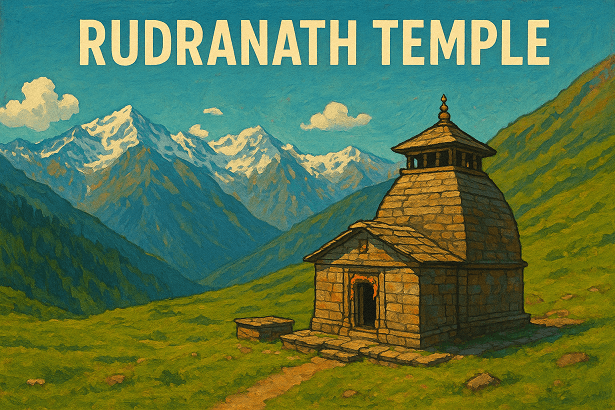
Rudranath is one of the Panch Kedar temples, where Lord Shiva is worshipped in his face form (mukha swarup). The temple is set in a natural rock cave at 3,600 m altitude, surrounded by alpine meadows and dense forests. The journey itself is an experience of silence, devotion, and pure Himalayan beauty. Unlike Kedarnath or Tungnath, here you walk through long ridges and high bugyals before reaching the shrine.

Rudranath Temple – A Complete Travel & Trekking Guide Read More »
Panch Kailash – A Complete Guide to the Abodes of Lord Shiva

Panch Kailash – A Complete Guide to the Abodes of Lord Shiva

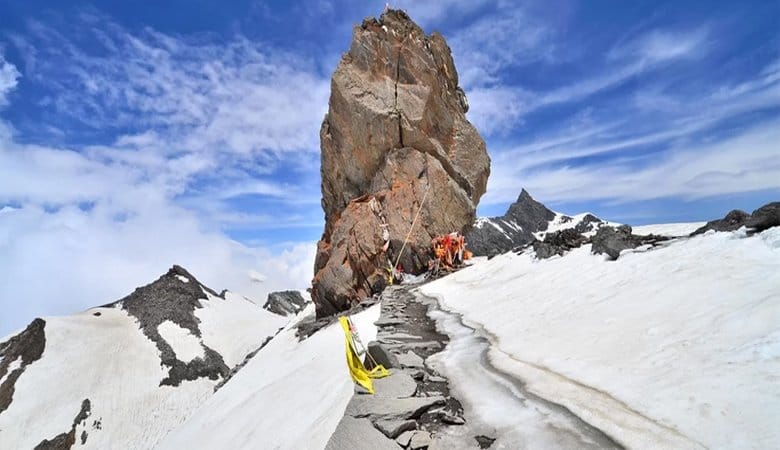
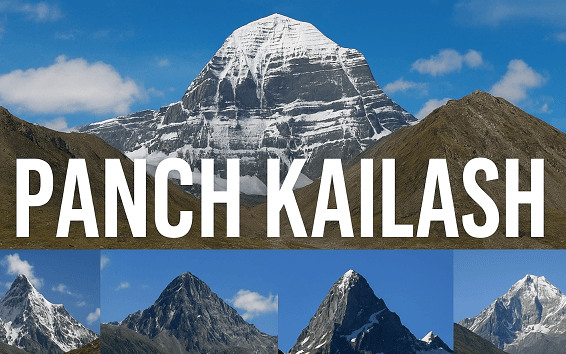
In Hindu tradition, Kailash is known as the divine abode of Lord Shiva and Goddess Parvati. Most people know only about Mount Kailash in Tibet, but there are actually five sacred Kailash peaks, collectively called Panch Kailash. These are Mount Kailash (Tibet), Adi Kailash (Uttarakhand), Kinnaur Kailash (Himachal Pradesh), Shrikhand Mahadev Kailash (Himachal Pradesh), and Manimahesh Kailash (Himachal Pradesh).

Panch Kailash – A Complete Guide to the Abodes of Lord Shiva Read More »

Kinnaur Kailash

Kinnaur Kailash – A Sacred Himalayan Pilgrimage

Kinnaur Kailash, also called Kinner Kailash, is one of the most sacred mountain peaks of the Himalayas. It is located in the Kinnaur district of Himachal Pradesh, very close to the Indo-Tibet border. The holy peak stands tall at an altitude of 6,050 metres above sea level, while the famous Kinnaur Shivling (the vertical rock pillar worshipped as Lord Shiva) rises at around 4,800 metres.

Kinnaur Kailash – A Sacred Himalayan Pilgrimage Read More »

Flora of Valley of Flowers – Rare Himalayan Blooms

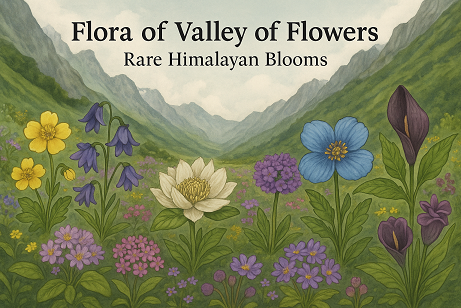
Flora of Valley of Flowers – Rare Himalayan Blooms

Flora of Valley of Flowers – Rare Himalayan Blooms Facebook Email WhatsApp Twitter LinkedIn Tumblr The Valley of Flowers in Uttarakhand is not just a trekking destination. It is a living museum of Himalayan flowers, many of which are found nowhere else in the world. Situated at an altitude of 3,250–3,650 metres, this UNESCO World

Flora of Valley of Flowers – Rare Himalayan Blooms Read More »

Lakshman Ganga River – Lifeline of the Hemkund Sahib Trek

Lakshman Ganga River – Lifeline of the Hemkund Sahib Trek

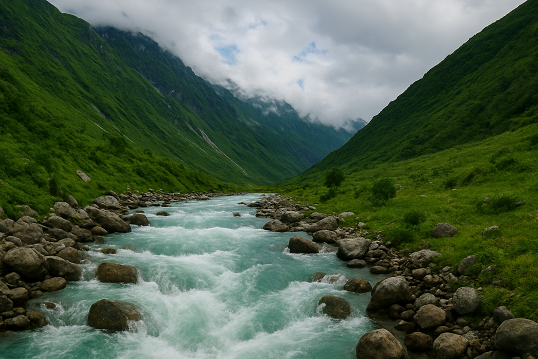
If you are planning to trek to the Hemkund Sahib, one name you will hear again and again is Lakshman Ganga. This river is not just a water stream flowing through the valley; it is the lifeline of the entire trek. From the sound of rushing water that guides trekkers, to the fertile banks that support the lush greenery, Lakshman Ganga is deeply connected to the journey and the local life.

Lakshman Ganga River – Lifeline of the Hemkund Sahib Trek Read More »

Ghangaria – Basecamp for Valley of Flowers & Hemkund Sahib

If you are planning to visit Valley of Flowers or Hemkund Sahib, then you will surely spend some time in Ghangaria. This small Himalayan settlement is the last village on the trek route and works as the main basecamp for both destinations. Situated at an altitude of around 3,050 metres (10,000 feet) in Chamoli district of Uttarakhand, Ghangaria is surrounded by lush green slopes, snow-covered peaks and the sound of mountain rivers.

Ghangaria – Basecamp for Valley of Flowers & Hemkund Sahib Read More »

Endangered Tribal & Local Languages of Uttarakhand

Endangered Tribal & Local Languages of Uttarakhand – Will They Die in Next 10 Years?

Uttarakhand is famous for its Devbhoomi identity, Himalayas, Char Dham, rivers and culture. But one thing slowly getting lost is our local languages. From Pahari dialects to tribal tongues, many languages are at the edge of extinction. If we don’t protect them now, we may lose them in the next 10 years. With them, we will lose many old stories, traditional wisdom, folk songs and identity.

Endangered Tribal & Local Languages of Uttarakhand – Will They Die in Next 10 Years? Read More »

Scroll to Top