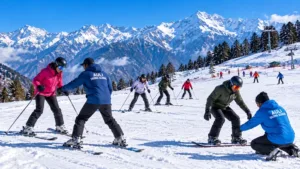
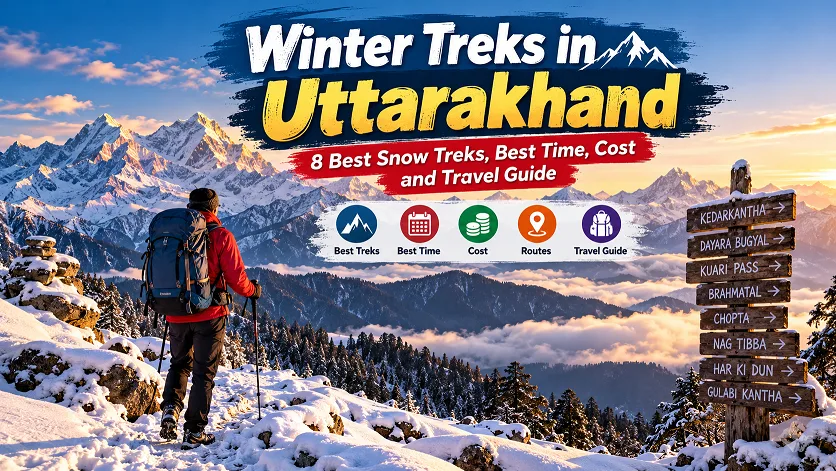
Winter treks in Uttarakhand offer a wonderful opportunity to explore the snow-covered Himalayas, dense forests, beautiful alpine meadows and traditional mountain villages. During winter, many trekking routes in Garhwal and Kumaon receive snowfall. As a result, these places attract adventure lovers from different parts of India.
Uttarakhand has several winter trekking options for different types of travellers. Kedarkantha is famous for its summit views, Dayara Bugyal attracts visitors with its wide meadows, and Kuari Pass offers beautiful views of major Himalayan peaks. Similarly, Brahmatal is known for its lakes and forests, while Nag Tibba is a popular choice for a short weekend adventure.
However, winter trekking requires proper planning. Snow, freezing temperatures, icy trails and road closures can make a trek more challenging. Therefore, you should choose a route according to your fitness, experience and available time.
In this guide, you will learn about the 8 best winter treks in Uttarakhand, their routes, starting points, Google Maps locations, trekking duration, estimated costs, the best time to visit and essential safety tips.
8 Best Winter Treks in Uttarakhand
1. Kedarkantha Trek
Location: Uttarkashi district, Garhwal Himalayas
Starting point: Sankri village
Approximate duration: 5–6 days
Highest point: Around 3,800 metres
Difficulty: Easy to moderate for fit beginners, depending on conditions
Best season for snow: December to February, subject to snowfall
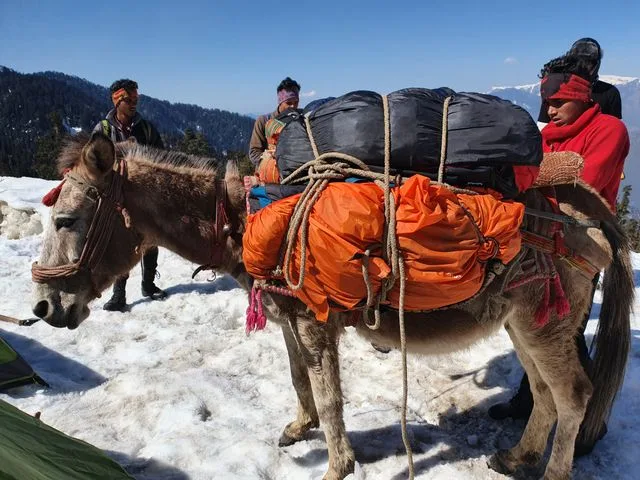
The Kedarkantha Trek is one of the most popular winter treks in Uttarakhand. It attracts beginners, experienced trekkers, photographers and adventure lovers who want to experience snow in the Himalayas.
The journey generally starts from Sankri, a beautiful mountain village in the Uttarkashi district. Sankri also serves as the base for other famous treks in the region. From here, the trail passes through dense forests, mountain slopes and campsites before reaching the Kedarkantha summit.
One of the main attractions is Juda Ka Talab, a small high-altitude lake surrounded by forests. During winter, the surrounding area may receive snowfall, creating a beautiful landscape. The trail then continues towards the Kedarkantha base camp.
The summit climb usually begins early in the morning. From the top, trekkers can enjoy views of surrounding Himalayan peaks, including the Swargarohini and Bandarpoonch ranges when the weather is clear.
Although Kedarkantha is popular among beginners, the final climb can be demanding. Snow, steep sections and cold winds require good preparation. Therefore, first-time trekkers should travel with an experienced guide.
Why choose Kedarkantha?
Beautiful snow-covered pine forests.
A rewarding Himalayan summit experience.
Scenic campsites and mountain views.
A popular route for guided winter trekking.
Suitable for fit beginners who are prepared for several days of walking.
Kedarkantha Trek Route and How to Reach
Road route: Haridwar → Rishikesh → Dehradun → Purola → Mori → Sankri village.
Travellers generally reach Sankri by road from Dehradun. The journey can take around 8–10 hours or longer, depending on traffic, road conditions and weather. Most trekkers stay overnight in Sankri before beginning the trek.
Trekking route: Sankri → Juda Ka Talab → Kedarkantha Base Camp → Kedarkantha Summit → Hargaon Camp or another designated campsite → Sankri.
The exact camping sequence may vary between trekking operators. The complete journey usually takes around 5–6 days.
Google Maps links:
The summit is accessible on foot, not by road. Use a reliable trekking map for the actual trail.
2. Dayara Bugyal Trek
Location: Uttarkashi district
Starting points: Raithal or Barsu village
Approximate duration: 3–5 days
Highest point: Around 3,400 metres
Difficulty: Easy to moderate, depending on snow conditions
Best season for snow: December to February, subject to snowfall
Dayara Bugyal is one of the most beautiful alpine meadows in Uttarakhand. The word bugyal means a high-altitude meadow in the local language.
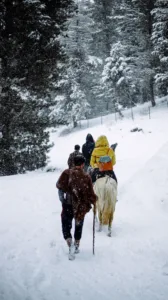
During summer, Dayara Bugyal becomes a vast green grassland surrounded by mountains. In winter, snowfall can cover the meadows and nearby forests. This change makes the destination especially attractive for snow trekking.
The trek usually starts from Raithal or Barsu village. Both villages provide a glimpse of traditional Garhwali life. From the base village, the trail gradually climbs through forest sections before opening into the wide meadows.
Once you reach Dayara Bugyal, you can enjoy beautiful views of the surrounding Himalayan ranges. On clear days, the peaks of the Gangotri region and the Bandarpoonch range are visible from suitable viewpoints.
Dayara Bugyal is a good option for photographers, nature lovers and beginners who want to experience snow without attempting a demanding summit trek. However, snow can hide the trail, and icy sections may require extra care.
Why choose Dayara Bugyal?
Wide snow-covered alpine meadows.
Beautiful forest trails and mountain villages.
Scenic Himalayan views.
A suitable option for fit beginners with a guide.
Opportunities for landscape photography and camping.
Dayara Bugyal Trek Route and How to Reach
Road route: Haridwar → Rishikesh → Chamba → Uttarkashi → Bhatwari → Raithal or Barsu village.
Travellers generally reach Raithal or Barsu by road from Dehradun. The journey may take around 8–10 hours or longer, depending on road conditions and the selected village.
Trekking route from Raithal: Raithal → Gui campsite → higher forest camps or designated resting points → Dayara Bugyal → return to Raithal.
Alternative route from Barsu: Barsu → Barnala Bugyal → Dayara Bugyal → return to Barsu, depending on the itinerary.
The exact trail and camping points may vary. Most itineraries take around 3–5 days, while some longer plans may require additional time.
Google Maps links:
3. Kuari Pass Trek
Location: Chamoli district, Garhwal Himalayas
Starting point: Dhak village on the commonly used route
Approximate duration: 4–6 days
Highest point: Around 3,800 metres
Difficulty: Moderate
Best season for snow: December to February, subject to snowfall
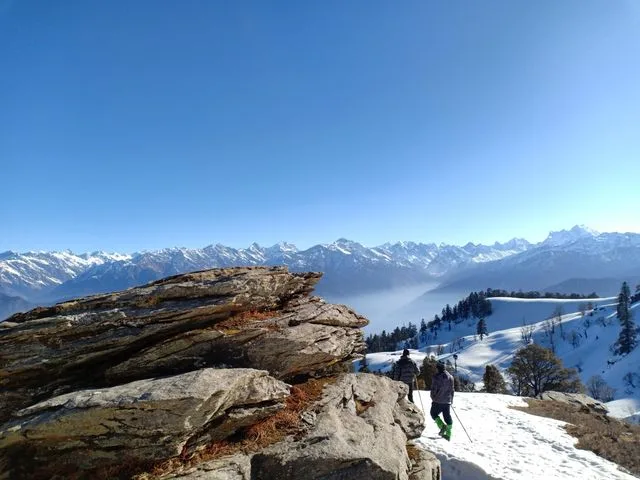
Kuari Pass is one of the best winter treks in Uttarakhand for people who want to enjoy wide views of the Greater Himalayas. The trek is famous for its views of Nanda Devi, Dronagiri, Hathi Ghoda and other major Himalayan peaks.
The route passes through mountain villages, forests, open meadows and high-altitude trails. Depending on the selected itinerary, trekkers can also explore areas around Gorson Bugyal and Auli.
Winter adds a different charm to this region. Snow may cover the meadows and forest sections, while clear mornings offer excellent views of the surrounding mountains.
The view of Nanda Devi is one of the main highlights. As India’s second-highest mountain, Nanda Devi holds a special place in the geography and culture of Uttarakhand.
Kuari Pass is suitable for trekkers with reasonable fitness. However, deep snow, icy trails and poor visibility can make the higher sections challenging. Travellers should confirm the route, camping arrangements and local restrictions before booking.
Why choose Kuari Pass?
Beautiful views of Nanda Devi and Dronagiri.
Snow-covered forests and alpine meadows.
A chance to explore the Auli and Joshimath region.
A rewarding multi-day Himalayan adventure.
A good option for trekkers who want mountain views rather than only a summit climb.
Kuari Pass Trek Route and How to Reach
Road route: Haridwar → Rishikesh → Devprayag → Srinagar → Rudraprayag → Karnaprayag → Chamoli → Joshimath → Dhak village.
Dhak village is the starting point for a commonly used Kuari Pass itinerary. Travellers usually reach Joshimath by road and continue to Dhak by local transport.
The journey from Haridwar to Joshimath can take around 9–12 hours or longer, depending on traffic, weather and road conditions. A night halt in Joshimath may be useful if you arrive late.
Auli is a popular destination in the same region, but it is not a compulsory stop on every Kuari Pass itinerary. You can plan a separate visit to Auli before or after the trek if time and road conditions permit.
Trekking route from Dhak: Dhak village → Guling campsite → Khullara → Kuari Pass → Tali campsite or another designated campsite → Auli, depending on the selected itinerary.
Some operators follow a different route or return to Dhak. Confirm the exact trail before starting.
The trek generally takes around 4–6 days. Snow-covered meadows, forests and mountain viewpoints are among its main attractions.
Google Maps links:
4. Brahmatal Trek
Location: Chamoli district
Starting point: Lohajung
Approximate duration: 5–6 days
Highest point: Around 3,700 metres
Difficulty: Moderate
Best season for snow: December to February, subject to snowfall
Brahmatal is another popular winter trekking destination in Uttarakhand. It is known for its high-altitude lakes, forest trails, snowy landscapes and beautiful Himalayan views.
The journey usually begins from Lohajung, a mountain village that serves as the base for several treks. From here, the route climbs through forest sections and reaches campsites surrounded by mountain scenery.
Brahmatal Lake is one of the main attractions. During winter, the lake and surrounding area may receive snow, creating a beautiful landscape. However, whether the lake is frozen or covered in snow depends on the weather conditions.
The route also offers views of Mount Trishul and Nanda Ghunti on clear days. These mountain views make Brahmatal attractive to photographers and nature lovers.
Although many trekking operators offer Brahmatal to beginners, the trail can become challenging during heavy snowfall. Proper winter clothing, suitable footwear and an experienced guide are essential.
Why choose Brahmatal?
Snow-covered forest trails.
High-altitude lake scenery.
Views of Trishul and Nanda Ghunti.
A rewarding multi-day winter adventure.
Good opportunities for mountain photography.
Brahmatal Trek Route and How to Reach
Road route: Haridwar → Rishikesh → Devprayag → Srinagar → Rudraprayag → Karnaprayag → Tharali → Lohajung.
Lohajung is the main base village. Travellers generally reach it by road and stay overnight before starting the trek. The road journey can take around 10–12 hours or longer from Haridwar.
Trekking route: Lohajung → Gujreni campsite → Bekaltal → Brahmatal campsite and lake area → summit viewpoint, depending on the itinerary → return towards Lohajung.
The exact campsites and order may vary between operators. Most itineraries take around 5–6 days.
Winter snowfall can make the route more challenging. Check the current trail conditions and camping arrangements before starting.
Google Maps links:
5. Chopta–Tungnath–Chandrashila Trek
Location: Rudraprayag district
Starting point: Chopta
Approximate duration: 2–3 days or longer
Highest point: Chandrashila, around 3,690 metres
Difficulty: Moderate; winter conditions can increase the difficulty
Best season for snow: December to February, subject to snowfall and access
The Chopta–Tungnath–Chandrashila route combines mountain scenery with religious importance. It is one of the most popular short trekking options in the Garhwal Himalayas.
Chopta is known for its forest surroundings and mountain views. From here, the trail climbs towards Tungnath, a famous Shiva temple and one of the Panch Kedar temples.
Beyond Tungnath, the trail continues towards Chandrashila summit. On a clear day, the summit offers wide views of the Himalayan ranges, including Chaukhamba and Nanda Devi from suitable viewpoints.
During winter, snowfall can cover the trail, particularly around Tungnath and Chandrashila. The final section can become steep and icy, so proper footwear and local guidance are important.
Tungnath Temple follows a seasonal schedule. Therefore, check the temple’s opening arrangements before planning a visit in winter.
Why choose Chopta–Chandrashila?
A relatively short trekking itinerary.
Beautiful forest and mountain scenery.
Religious and cultural importance.
Excellent Himalayan views on clear days.
Suitable for travellers with limited holiday time.
Chopta–Tungnath–Chandrashila Route and How to Reach
Road route: Haridwar → Rishikesh → Devprayag → Srinagar → Rudraprayag → Ukhimath → Chopta.
Travellers generally reach Chopta by road through the Rudraprayag region. Depending on the itinerary and road conditions, you can also stay around Baniyakund or another nearby accommodation area.
The road journey from Haridwar may take around 7–10 hours or longer. Snowfall can affect road access, so check the latest conditions before travelling.
Trekking route: Chopta → Tungnath Temple → Chandrashila Summit → return to Chopta.
The trail from Chopta to Tungnath is roughly 3–4 km one way. Chandrashila lies about another 1–1.5 km beyond Tungnath, depending on the route measured.
The return journey generally takes several hours. During heavy snowfall, avoid the summit if the trail is icy or the weather is unsuitable.
Google Maps links:
6. Nag Tibba Trek
Location: Tehri Garhwal district
Starting point: Pantwari village
Approximate duration: 2 days
Highest point: Around 3,022 metres
Difficulty: Easy to moderate, depending on conditions
Best season for snow: December to February, subject to snowfall
Nag Tibba is a popular weekend trek for travellers from Dehradun, Mussoorie and Delhi. Its shorter itinerary makes it attractive to people who cannot take several days off for a Himalayan trek.
The trail starts from Pantwari village and climbs through forest sections towards the campsite and summit. The route includes uphill walking, so basic fitness is necessary.
During winter, Nag Tibba may receive snowfall. When snow covers the trail, the forest and summit area offer a beautiful winter landscape. However, snow is not guaranteed throughout the season.
The summit provides views of the surrounding mountain ranges on clear days. Nag Tibba is also a useful option for people who want to learn basic trekking skills before attempting a longer Himalayan route.
Why choose Nag Tibba?
A short weekend itinerary.
Suitable for fit beginners.
A convenient option from Dehradun.
Forest scenery and summit views.
A chance to experience winter trekking without a week-long commitment.
Nag Tibba Trek Route and How to Reach
Road route: Haridwar → Rishikesh → Dehradun → Mussoorie/Kempty Falls area → Nainbagh → Pantwari village.
Pantwari is the most common starting point. Travellers from Dehradun can generally reach the village in around 3–4 hours, depending on the route and road conditions.
Trekking route: Pantwari village → forest trail → campsite near Nag Tibba → Nag Tibba Summit → return to Pantwari.
Some itineraries pass through local temples or additional campsites. The exact route depends on the selected trek operator.
Most visitors complete the trek in two days, with an overnight campsite stay. Snowfall can make the trail slippery, so use suitable footwear and follow your guide’s advice.
Google Maps links:
7. Har Ki Dun Trek
Location: Uttarkashi district
Starting point: Sankri
Approximate duration: 6–8 days
Highest point: Around 3,566 metres
Difficulty: Moderate; winter conditions may increase the difficulty
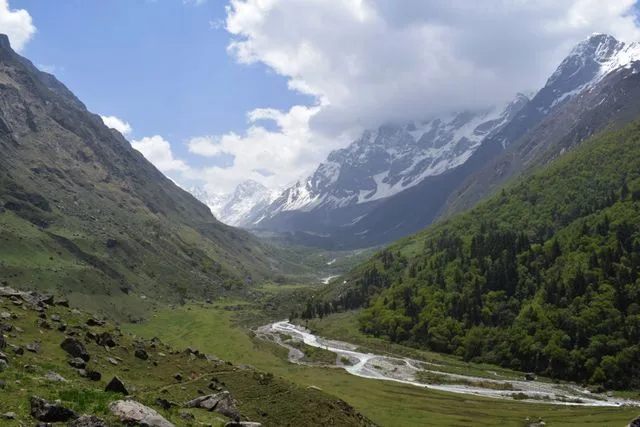
Har Ki Dun is famous for its beautiful valley, traditional mountain villages and rich natural surroundings. It is a good choice for travellers who want to explore the cultural side of the Himalayas along with their trekking adventure.
The journey generally begins from Sankri. Trekkers travel towards Taluka and continue through forest trails and mountain villages before reaching the Har Ki Dun Valley.
The route offers opportunities to observe local architecture, farming traditions and the everyday life of Himalayan communities. The surrounding mountains add to the beauty of the journey.
During winter, snow may cover the higher sections of the trail. The valley looks especially beautiful when fresh snow falls on the surrounding mountains and forests.
However, Har Ki Dun is not always the easiest choice for a winter trek. Heavy snowfall, cold temperatures, limited facilities and changing trail conditions can make the journey more demanding than it is in warmer months.
Why choose Har Ki Dun?
Beautiful Himalayan valley scenery.
Traditional mountain villages and local culture.
Forests, rivers and mountain views.
A longer trekking experience away from busy tourist areas.
An opportunity to explore the rural side of Uttarakhand.
Har Ki Dun Trek Route and How to Reach
Road route: Haridwar → Rishikesh → Dehradun → Purola → Mori → Sankri village.
Sankri is the main base village. Travellers generally reach it by road from Dehradun and stay overnight before starting the trek.
Trekking route: Sankri → Taluka → Seema/Osla → Har Ki Dun Valley → return through the designated route.
The exact itinerary may include overnight stays at different villages or campsites. Most trips take around 6–8 days.
Heavy snowfall can affect access to the upper valley. Therefore, confirm the latest route conditions and local arrangements before booking a winter trip.
Google Maps links:
8. Gulabi Kantha Trek
Location: Uttarkashi district
Starting area: Hanuman Chatti region, depending on the selected route
Approximate duration: 4–6 days, depending on the itinerary
Difficulty: Moderate, subject to route and snow conditions
Gulabi Kantha is an alternative for travellers who want to explore a less familiar trekking destination in Uttarakhand.
The route passes through forest sections, mountain slopes and open areas with views of the surrounding Himalayan landscape. During winter, snowfall can make the trail particularly attractive.
Compared with widely advertised winter treks, information and organised facilities may be less readily available for some itineraries. Therefore, travellers should confirm the exact starting point, roadhead, trail, camping arrangements and current accessibility before making a booking.
A local guide with knowledge of the area is especially useful in winter. Snow can cover trail markers and make navigation difficult.
Why choose Gulabi Kantha?
A quieter mountain trekking experience on suitable routes.
Forest trails and open viewpoints.
Beautiful Himalayan scenery.
An alternative to more heavily promoted winter treks.
Gulabi Kantha Trek Route and How to Reach
Road route: Haridwar → Rishikesh → Dehradun → Barkot → Hanuman Chatti region.
The exact roadhead can vary according to the selected local itinerary. Confirm the starting village with an experienced local guide before travelling.
Trekking route: The trail follows the designated local approach from the selected base village towards Gulabi Kantha, passing through forest sections and mountain slopes before reaching higher viewpoints.
The trek may take around 4–6 days, depending on the route. Because winter access and facilities can vary, do not rely only on a general online map for navigation.
Google Maps links:
Important: Confirm the exact trail and current access arrangements before publishing or booking this route. The map search pin is a location reference, not a verified trekking track.
Why Should You Go for Winter Trekking in Uttarakhand?
Winter trekking in Uttarakhand gives you a chance to experience the Himalayas in a different way. Snow-covered forests, white meadows and clear mountain views make this season special for adventure lovers.
The state also offers a wide choice of treks. Beginners can choose a short route such as Nag Tibba, while experienced trekkers can consider longer journeys such as Har Ki Dun or a suitable winter itinerary for Kuari Pass.
Another attraction is the local culture. Many trekking routes pass through traditional mountain villages where visitors can experience local food, wooden houses and the everyday life of Himalayan communities.
Winter trekking also gives photographers an opportunity to capture snowy landscapes and mountain views. However, snow conditions change every year, and not every trek will have fresh snow throughout the season.
Before choosing a trek, consider your fitness, available time, budget and previous mountain experience. With the right preparation, winter trekking can become a memorable Himalayan experience.
Best Time for Winter Treks in Uttarakhand
The main winter trekking season in Uttarakhand generally runs from December to March. However, the best month depends on the altitude, weather and type of experience you want.
December: Beginning of Winter
December marks the beginning of the winter season on many Himalayan trails. Higher areas may receive snowfall, while lower trails may remain dry.
Kedarkantha, Dayara Bugyal and Brahmatal are popular options, but snow is not guaranteed on every route or date.
January: A Popular Month for Snow Trekking
January often offers good opportunities for snow trekking. Higher camps and meadows may remain covered in snow, depending on recent weather conditions.
Kedarkantha and Brahmatal attract many winter trekkers during this month. Dayara Bugyal can also be a good choice for those who want to explore snowy meadows.
Temperatures can fall below freezing, so proper winter clothing and suitable equipment are essential.
February: Snow and Mountain Views
February is another popular month for winter trekking. Snow may remain on higher sections, and clear weather can offer excellent Himalayan views.
However, heavy snowfall can make some trails difficult or inaccessible. Check local advice before starting the trek.
March: Winter Meets Spring
March brings a gradual change towards spring in many parts of Uttarakhand. Lower areas may become warmer, although higher trails can still have snow.
This month can suit travellers who want a mix of mountain views and milder weather. However, snow conditions become less predictable at lower altitudes.
Important: Always confirm the latest weather forecast, snow conditions, road access and trail status before travelling. The presence of snow depends on the weather each year.
Comparison of the Best Winter Treks in Uttarakhand
| Trek | Approx. duration | Highest point | Best suited for |
|---|---|---|---|
| Kedarkantha | 5–6 days | 3,800 m | Summit experience and snow |
| Dayara Bugyal | 3–5 days | 3,400 m | Meadows and beginners |
| Kuari Pass | 4–6 days | Around 3,800 m | Himalayan mountain views |
| Brahmatal | 5–6 days | Around 3,700 m | Lakes, forests and snow |
| Chopta–Chandrashila | 2–3 days or longer | 3,690 m | Short adventure and mountain views |
| Nag Tibba | 2 days | 3,022 m | Weekend trekking |
| Har Ki Dun | 6–8 days | Around 3,566 m | Valley scenery and village culture |
| Gulabi Kantha | 4–6 days | Route-dependent | Quieter mountain trails |
All figures are approximate. Duration, altitude and route can vary between itineraries. Winter access also depends on snowfall, weather and local restrictions.
How Much Does Winter Trekking in Uttarakhand Cost?
The cost of winter trekking depends on the destination, number of days, group size, transport and equipment requirements.
A short trek such as Nag Tibba may cost less than a multi-day trek such as Kedarkantha or Har Ki Dun. Remote starting points, private transport and specialised snow equipment can also increase the total budget.
The following figures are rough planning estimates, not confirmed current package prices.
| Expense | Approximate budget |
|---|---|
| Short guided trek, 2–3 days | ₹3,000–₹8,000 per person |
| Multi-day winter trek, 4–6 days | ₹7,000–₹16,000 per person |
| Longer trek, 6–8 days | ₹10,000–₹20,000 or more per person |
| Travel to and from the base village | ₹1,500–₹5,000 or more |
| Winter clothing or equipment rental | ₹500–₹2,000 or more |
| Extra hotel stay and meals | Depends on the destination |
These amounts can vary significantly. Some packages include meals, tents, sleeping bags, guides and trekking equipment, while others cover only part of the trip.
Before booking, ask the operator whether the package includes:
Accommodation before and after the trek.
All meals during trekking days.
Tents and sleeping bags suitable for winter.
Qualified guides and support staff.
Permits or local fees, where applicable.
Transport from the base village.
Emergency arrangements and insurance requirements.
Do not choose a package only because it is cheap. In winter, suitable equipment, trained guides and proper safety arrangements are more important than saving a small amount.
How to Reach Uttarakhand for Winter Trekking
Most winter treks in Uttarakhand require road travel from Dehradun, Rishikesh, Haridwar or another major town. The nearest railway station and airport depend on your chosen destination.
By Train
Haridwar and Dehradun are useful railway stations for many trekking destinations in Uttarakhand. From there, travellers can continue by bus, shared taxi or private vehicle.
However, the best station depends on the trek. Check the complete route before booking your train tickets.
By Air
Jolly Grant Airport near Dehradun is a useful airport for several Garhwal trekking destinations. After landing, you can arrange road transport to your base village.
For remote trekking routes, the road journey may take several hours. Plan your arrival time carefully and consider staying overnight before starting the trek.
By Road
Buses, shared taxis and private vehicles connect many major towns with trekking base villages. However, road access can change during winter.
Snowfall, landslides, road repairs and local restrictions may delay your journey. Keep extra time in your itinerary, especially if you need to catch a train or flight after the trek.
Essential Things to Carry for Winter Trekking
Packing the right equipment is important for a safe and comfortable winter trek. Temperatures can fall below freezing, especially at higher camps and during the night.
Warm Clothing
Use several layers instead of relying on one thick jacket. Your clothing should include thermal innerwear, a warm fleece or insulating layer, a waterproof outer jacket, trekking trousers, warm socks, a woollen cap and insulated gloves.
Carry spare clothing and keep it dry. Wet clothes can make you feel cold very quickly.
Proper Trekking Shoes
Choose waterproof or water-resistant trekking boots with good grip and enough room for warm socks. Depending on the snow conditions, your guide may recommend microspikes, crampons or snowshoes.
These items serve different purposes, so use the equipment suited to the terrain and your training.
Backpack and Rain Protection
Carry a comfortable backpack with a rain cover or waterproof liner. Keep essential clothing, documents and electronic items protected from snow and moisture.
A headlamp, spare batteries, water bottle, personal medicines and basic first-aid supplies are also important.
Food and Water
Carry snacks that are easy to eat while walking. Drink water regularly, even when you do not feel thirsty.
Cold weather can reduce your natural feeling of thirst. Water bottles and hydration systems may also freeze in very cold conditions.
Sun Protection
Snow reflects sunlight, which can increase the risk of sunburn and eye discomfort. Carry sunglasses with suitable UV protection, sunscreen and lip balm.
Personal Documents and Emergency Items
Keep identification, necessary permits and emergency contact details accessible. A fully charged phone and power bank are useful, but mobile network coverage is not guaranteed on remote trails.
Fitness Preparation for Winter Treks
You do not need to be a professional athlete for every winter trek. However, you should prepare your body before travelling to the mountains.
Start walking regularly at least a few weeks before your trip. Gradually increase the distance and include uphill walking or stair climbing in your routine.
You can also practise basic strength exercises for your legs and core. These help you manage long walking days and uneven ground.
For a longer trek, build the ability to walk for several hours while carrying a light backpack. Increase the load gradually rather than starting with a heavy bag.
Most importantly, choose a trek according to your actual fitness. A short trek can become difficult when snow makes every step more demanding.
Important Safety Tips for Winter Trekking in Uttarakhand
Winter trekking is rewarding, but the mountains require care and preparation. Follow these precautions before and during your trip.
Check the weather forecast: Do not start a trek during severe weather warnings. Heavy snowfall, strong winds and poor visibility can make navigation dangerous.
Hire an experienced guide: A guide who understands the local terrain can help with route selection, weather decisions and emergency planning.
Do not trek alone: Travel with a reliable group and follow the agreed route. Avoid separating from the group in snowy forests or during poor visibility.
Watch for altitude sickness: Headaches, nausea, dizziness and unusual tiredness can indicate altitude-related illness. Inform your guide immediately if symptoms appear. Severe symptoms require stopping the ascent, descending and seeking medical help.
Avoid walking on unknown frozen lakes: Ice can look strong while remaining dangerously thin. Never walk onto a frozen lake unless local authorities have explicitly confirmed that the area is safe and authorised.
Follow instructions on snow slopes: Do not slide down steep slopes for fun. Hidden rocks, trees and icy sections can cause serious injuries.
Respect local rules: Some trails cross protected forests or areas with seasonal restrictions. Follow permit requirements and instructions from forest staff or local authorities.
Keep the mountains clean: Carry your waste back and avoid leaving plastic, food wrappers or other rubbish at campsites.
In the Himalayas, turning back is sometimes the safest decision. Reaching the summit is never more important than returning safely.
Winter Trekking or Winter Sightseeing: Which Is Better?
Winter trekking is best for travellers who enjoy walking, outdoor adventure and spending several days in the mountains. You need to carry equipment, follow a schedule and remain prepared for cold weather.
Winter sightseeing is a better option if you want to enjoy mountain views without long walking days. Destinations such as Auli, Mussoorie and other accessible hill stations can offer a winter holiday, depending on snow and road conditions.
Auli is particularly interesting for travellers who want to combine mountain views with skiing. However, skiing conditions also depend on snowfall, and snow is not guaranteed on every date.
You can combine a short trek with a sightseeing trip if you have enough time. For example, a visit to Auli and the surrounding Joshimath region can complement a suitable trek in Chamoli.
Frequently Asked Questions About Winter Treks in Uttarakhand
Which is the best winter trek in Uttarakhand?
Kedarkantha, Dayara Bugyal, Brahmatal and Kuari Pass are among the most popular winter treks. Kedarkantha suits people looking for a summit experience, while Dayara Bugyal is famous for its open meadows and Brahmatal for its lakes and mountain views.
Which winter trek in Uttarakhand is best for beginners?
Nag Tibba is a good short option for fit beginners. Dayara Bugyal and Kedarkantha are also popular, but snow, steep sections and cold temperatures can make them more challenging than expected.
Which month is best for snow trekking in Uttarakhand?
January and February often provide good opportunities for snow trekking. December and March can also be suitable, depending on snowfall and the selected route.
Is snow guaranteed during winter treks?
No. Snowfall varies from year to year and from one altitude to another. Check recent trail reports before travelling.
How much does a winter trek in Uttarakhand cost?
A short guided trek may cost around ₹3,000–₹8,000 per person, while a multi-day winter trek may cost approximately ₹7,000–₹16,000 or more. Transport, clothing rental and accommodation may cost extra.
Can families go on winter treks?
Some short and easier routes may suit families with suitable fitness and preparation. However, the right trek depends on the ages, health and experience of everyone in the group. Deep snow, freezing temperatures and long walking days can be unsuitable for young children or people who are not prepared for mountain conditions.
Which winter trek offers the best Himalayan views?
Kuari Pass is especially famous for its views of major Himalayan peaks. Kedarkantha, Brahmatal and Chandrashila also offer beautiful mountain views when the weather is clear.
Is winter trekking safe in Uttarakhand?
Winter trekking can be safe with proper preparation, suitable equipment, reliable guides and favourable weather. However, heavy snowfall, icy trails, avalanches on exposed terrain and altitude-related problems can create serious risks. Always follow local advisories and be ready to change your plan.
Can I trek in Uttarakhand without a guide?
Requirements vary by route and local regulations. Even where independent trekking is permitted, winter conditions can make navigation difficult. First-time winter trekkers should travel with an experienced guide or a reliable trekking organisation.
Conclusion
Winter treks in Uttarakhand offer a wonderful way to experience the Himalayas during their snowy season. From the summit of Kedarkantha to the wide meadows of Dayara Bugyal and the mountain views along Kuari Pass, every route offers a different experience.
If you are a beginner, start with a suitable short trek or choose a guided itinerary based on your fitness. For a longer adventure, consider Brahmatal or Kedarkantha. If you prefer Himalayan views and open meadows, Kuari Pass and Dayara Bugyal are excellent options.
Before finalising your trip, check the latest weather, road access, snowfall, permits and trail conditions. Carry proper winter clothing and choose a reliable guide.
With good planning and respect for mountain conditions, a winter trek can become one of the most memorable experiences of your Uttarakhand trip.
By Mohit Bangari
(14 October 2026)